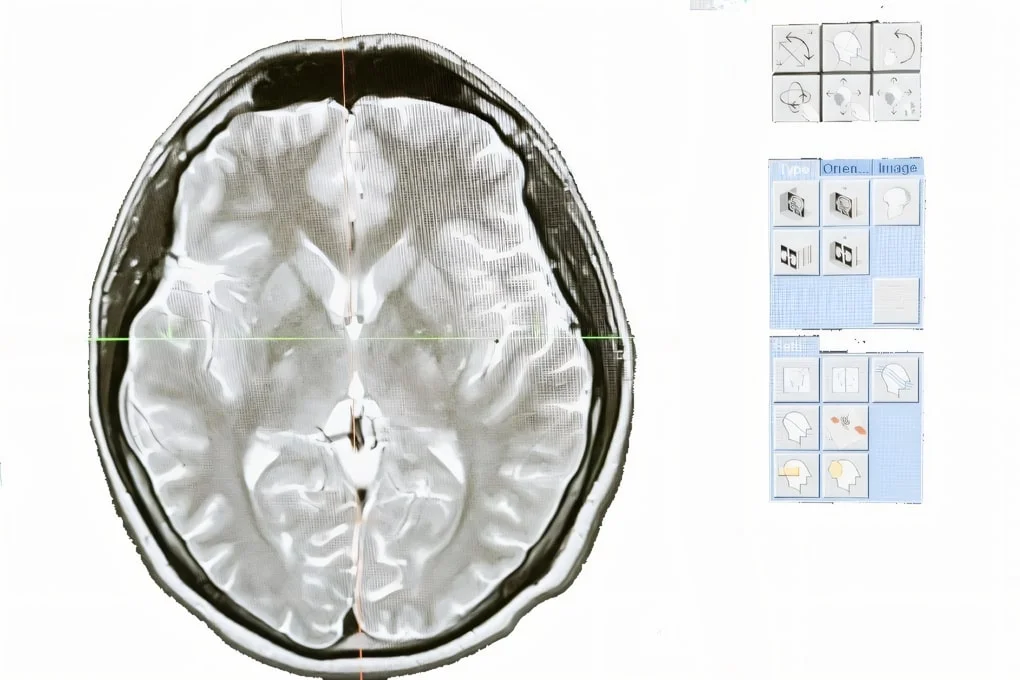
Beyond Synapses: The Cholinergic Connection
While much of autism research focuses on glutamate and GABA, a growing body of evidence implicates the cholinergic system—the neurotransmitter network governed by acetylcholine. This system is the brain's "conductor," orchestrating attention, memory, and sensory processing. In Autism Spectrum Disorder (ASD), this conductor is often out of sync. Post-mortem studies have revealed significant abnormalities in cholinergic nuclei and reduced expression of nicotinic receptors in the brains of individuals with autism.
The Alpha-7 Nicotinic Receptor (α7 nAChR)
Among the nicotinic receptors, the α7 subtype stands out as a critical player. Encoded by the CHRNA7 gene on chromosome 15q13.3—a genomic hotspot for microdeletions associated with ASD and schizophrenia—this homopentameric ion channel is unique. It has a high permeability to calcium, allowing it to powerfully modulate neurotransmitter release and trigger intracellular signaling cascades. It is highly expressed in the hippocampus and prefrontal cortex, regions essential for social cognition and executive function.
Sensory Gating and the "Cocktail Party Effect"
One of the hallmark deficits in ASD is the inability to filter out irrelevant sensory information, a phenomenon known as "sensory gating." Imagine trying to hold a conversation at a loud party but hearing every spoon drop and footstep with equal intensity. The α7 nAChR is a primary regulator of this gating mechanism, particularly the P50 auditory evoked potential. Dysfunction of α7 nAChR leads to an overwhelming flood of sensory data, contributing to the sensory overload and social withdrawal seen in many patients.
A Validated Therapeutic Target
The link between α7 nAChR and ASD is not just theoretical. Genetic knockdown of Chrna7 in mice replicates key features of the disorder, including cognitive rigidity and deficits in social interaction. Conversely, naturally occurring molecules like choline and galantamine have shown modest benefits in clinical settings. However, these non-selective agents come with side effects. The field is now turning towards highly specific, potent agonists that can surgically target the α7 receptor to restore cholinergic tone without off-target noise.
Excerpt from: Exploring the Specificity of PHA 543613's Action on α7 nAChR in ASD Therapy by Peter De Ceuster
© All rights reserved. Do not distribute.