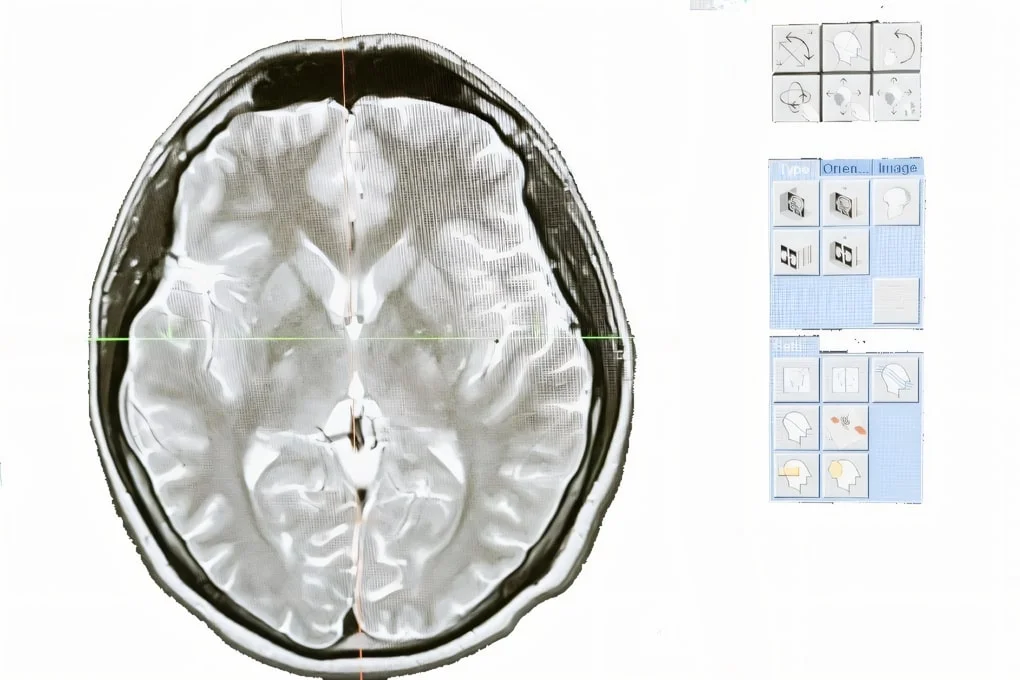
A New Frontier
The integration of mTOR biology with stem cell technology represents a watershed moment in autism research. We are moving away from trial-and-error pharmacology towards mechanistically targeted, personalized medicine. By using patient-derived iPSCs to identify mTOR dysregulation and validating pharmacological rescues in 3D organoids, we are building a bridge across the "valley of death" that separates basic science from clinical approval.
Summary of Findings
This series has explored the central role of mTOR as a master regulator of neural plasticity (Part I) and its pathological hyperactivation in ASD (Part II). We have examined the evolution of rapalogs (Part III) and their powerful synergy with stem cell models (Part IV). We have seen how these inhibitors can structurally prune synapses to restore balance (Part V) and discussed the critical safety considerations for clinical use (Part VI). Together, these insights paint a picture of a promising, albeit complex, therapeutic avenue.
Key References
- Costa-Mattioli, M., & Monteggia, L. M. (2013). mTOR complexes in neurodevelopmental and neuropsychiatric disorders. Nature Neuroscience, 16(11), 1537-1543.
- Huber, K. M., et al. (2015). Dysregulation of mammalian target of rapamycin signaling in mouse models of autism. Journal of Neuroscience, 35(49), 16212-16223.
- Winden, K. D., et al. (2018). The genetics of neurodevelopmental disorders. Current Opinion in Neurobiology, 48, 16-22.
- Sahin, M., & Sur, M. (2015). Genes, circuits, and precision therapies for autism and related neurodevelopmental disorders. Science, 350(6263), aad6252.
- Rosina, E., et al. (2019). Disruption of mTOR and MAPK pathways correlates with severity in idiopathic autism. Translational Psychiatry, 9, 50.
- Subramanian, M., et al. (2020). mTOR Signaling in Stem Cells: Development and Disease. Cell Stem Cell, 26(1), 16-32.
Final Thoughts
The journey from the soil of Easter Island to the synaptic clefts of the autistic brain is a testament to the serendipity and perseverance of science. While challenges remain, particularly regarding safety and long-term efficacy, the potential to fundamentally alter the trajectory of neurodevelopmental disorders is within reach. As we refine our tools—both molecular and cellular—the dream of precision medicine for autism draws ever closer to reality.
Excerpt from: Utilizing mTOR Inhibitors as Synergistic Modulators in Augmenting Stem Cell Therapy for Autism Spectrum Disorder by Peter De Ceuster
© All rights reserved. Do not distribute.