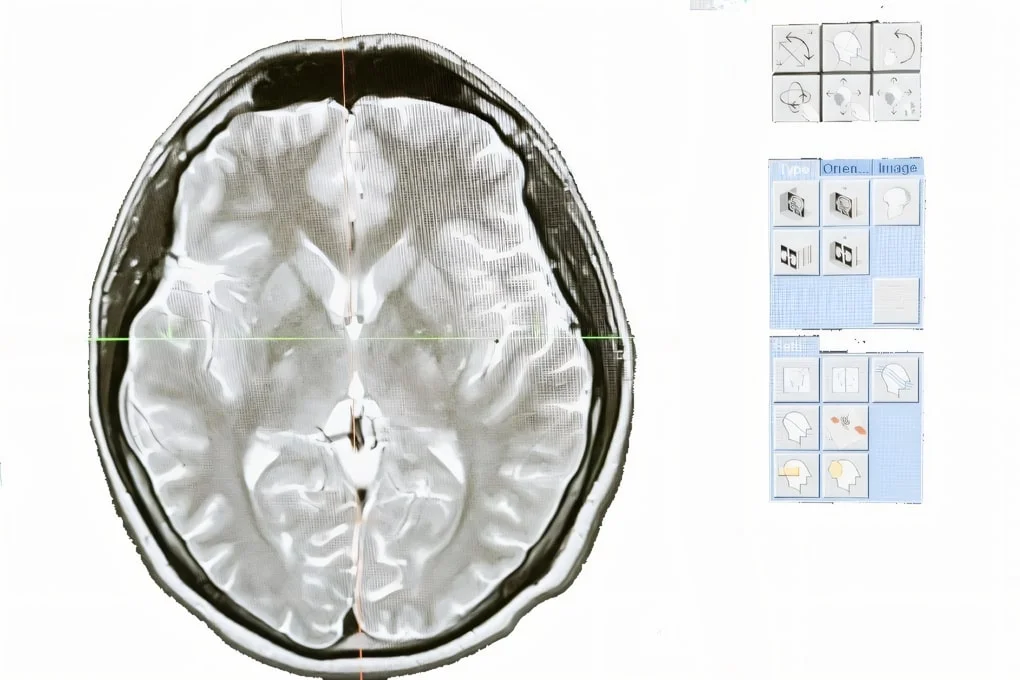
The Inflamed Brain
In many children with ASD, the brain is not merely wired differently; it is inflamed. Microglia, the resident immune cells of the CNS, are often found in a chronically activated state, releasing pro-inflammatory cytokines like IL-6 and TNF-α. This "neuroinflammation" interferes with synaptic pruning and connectivity. Remarkably, this brain-based inflammation often mirrors inflammation in the gut. *F. prausnitzii* acts as a systemic firefighter. By inducing regulatory T cells (Tregs) in the gut, it calms the entire immune system, sending an "all-clear" signal that resonates up to the brain.
The IL-10 Connection
A key weapon in *F. prausnitzii*'s arsenal is its ability to stimulate the production of Interleukin-10 (IL-10). IL-10 is the body's primary anti-inflammatory cytokine—a molecular peace treaty. In animal models of colitis, administration of *F. prausnitzii* or its supernatant completely blocks inflammation and restores IL-10 levels. In the context of ASD, where IL-10 levels are often depressed, restoring this cytokine could help rebalance the immune response, shifting microglia from a destructive "M1" phenotype to a reparative "M2" phenotype.
Balancing Th17/Treg
The immune system is a balance between aggressors (like Th17 cells) and regulators (like Treg cells). In ASD, this balance is often tipped towards Th17 aggression, leading to autoimmunity and chronic inflammation. *F. prausnitzii* drives the differentiation of naïve T cells into Foxp3+ Tregs. This rebalancing act is crucial. By expanding the population of regulatory cells, the bacterium helps to suppress inappropriate immune responses to dietary antigens and gut commensals, reducing the systemic inflammatory burden that plagues so many individuals with autism.
MAMs: The Secret Weapon
We are only beginning to isolate the specific molecules responsible for these effects. One such candidate is the *Microbial Anti-inflammatory Molecule* (MAM), a protein unique to *F. prausnitzii*. MAM has been shown to inhibit the NF-kB pathway, the master switch for inflammation, in intestinal cells. This direct molecular intervention offers a glimpse into the future of "pharmabiotics"—using specific bacterial proteins as drugs to target the precise inflammatory pathways disrupted in neurodevelopmental disorders.
Excerpt from: Unraveling Pathways: Exploring the Potential of F. prausnitzii A2-165 in ASD Drug Discovery by Peter De Ceuster
© All rights reserved. Do not distribute.