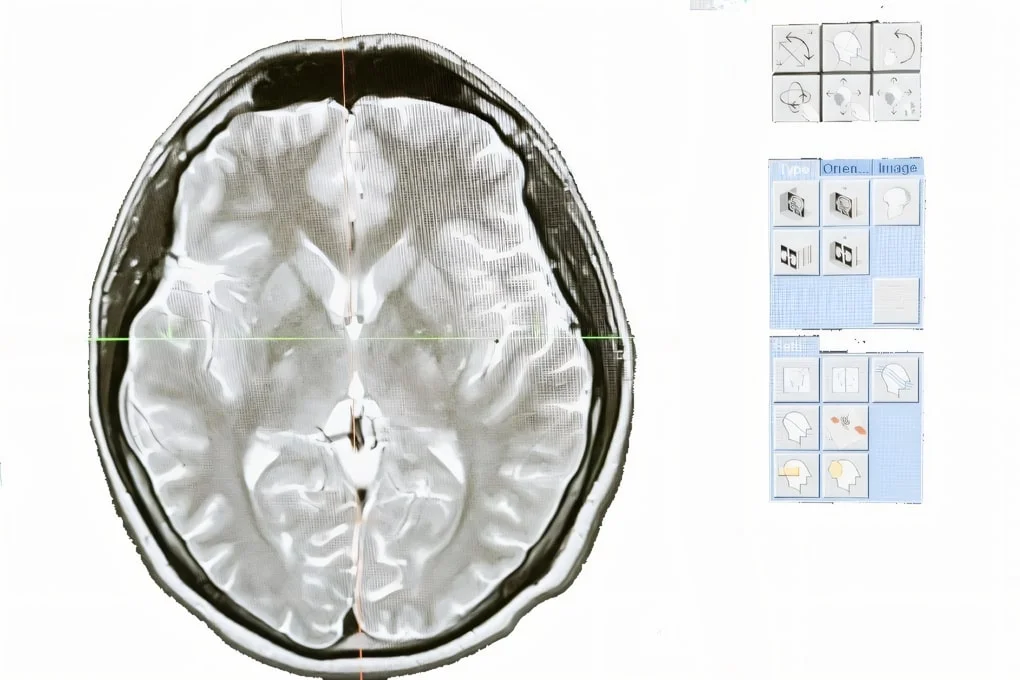
The "Missing Microbe" Hypothesis
In conclusion, the story of *F. prausnitzii* in autism is a compelling example of the "Missing Microbe" hypothesis. Its absence creates a vacuum that is filled by inflammation, metabolic dysfunction, and "leaky gut," all of which reverberate along the vagus nerve to disrupt the developing brain. By viewing this bacterium not just as a passive resident, but as an active partner in our neurobiology, we unlock a potent new category of therapeutics: psychobiotics.
A Paradigm Shift
The transition from treating symptoms to targeting the microbiome represents a fundamental shift in our approach to ASD. We are moving away from the "one molecule, one target" model of pharmacology towards a holistic "ecosystem restoration" model. Restoring *F. prausnitzii*—whether through diet, probiotics, or FMT—offers the possibility of healing the system from the bottom up, providing a biological foundation upon which other therapies (like behavioral or speech therapy) can be more effective.
References
1. Adams, J. B., et al. (2011). "Gastrointestinal flora and gastrointestinal status in children with autism
– comparisons to typical children and correlation with autism severity." *BMC Gastroenterology*.
2. De Filippis, F., et al. (2016). "High-level adherence to a Mediterranean diet beneficially impacts the
gut microbiota and associated metabolome." *Gut*.
3. Kang, D. W., et al. (2017). "Microbiota Transfer Therapy alters gut ecosystem and improves
gastrointestinal and autism symptoms: an open-label study." *Microbiome*.
4. Miquel, S., et al. (2013). "Faecalibacterium prausnitzii and human intestinal health." *Current Opinion
in Microbiology*.
5. Qiu, X., et al. (2013). "Faecalibacterium prausnitzii upregulates regulatory T cells and
anti-inflammatory cytokines in treating colitis in mice." *Journal of Crohn's and Colitis*.
6. Sokol, H., et al. (2008). "Faecalibacterium prausnitzii is an anti-inflammatory commensal bacterium
identified by gut microbiota analysis of Crohn disease patients." *Proceedings of the National Academy of
Sciences*.
7. Wang, L., et al. (2019). "Gut microbial composition and metabolic profiles in children with autism
spectrum disorder." *Frontiers in Cellular and Infection Microbiology*.
Excerpt from: Unraveling Pathways: Exploring the Potential of F. prausnitzii A2-165 in ASD Drug Discovery by Peter De Ceuster
© All rights reserved. Do not distribute.